Intercountry Adoptee & Domestic Adoptee Know Your Rights Safety Guide
The Intercountry Adoptee Citizenship Crisis
Tens of thousands of international adoptees raised by American parents face severe legal challenges in the United States, including the absence of automatic citizenship, risk of deportation, and barriers to employment, travel, and public benefits.
Although these individuals were adopted and raised in the United States, gaps in federal adoption and immigration law have left many without legal documentation of citizenship.
Scope of the Issue
Researchers estimate that between 18,000 and 75,000 intercountry adoptees living in the United States may not have recognized U.S. citizenship.
Deportations
At least 35 intercountry adoptees have been deported to their birth countries, even though they were raised in the United States and often have no connection to their country of origin.
Many deported adoptees face serious challenges, including language barriers, a lack of family connections, and limited access to social services.
Legal Gaps
The Child Citizenship Act of 2000 granted automatic citizenship to many internationally adopted children, but it did not apply retroactively.
As a result, adoptees who were over the age of 18 when the law took effect in 2001 — or whose parents failed to complete required immigration paperwork — were excluded.
Countries of Origin
Although South Korea has the longest history of international adoption to the United States, adoptees without citizenship also come from more than 28 countries.
Here’s a comprehensive approach to help protect yourself while honoring dignity and legal rights:
1. Know Your Immigration Status Clearly
- Verify Documentation: Ensure you have all legal documents proving your citizenship or immigration status. Many inter-country adoptees may have citizenship through their adoptive parents, but this is not automatic in all cases.
- Naturalization and Citizenship: If you were adopted internationally, confirm whether you have acquired U.S. citizenship either automatically through the Child Citizenship Act (for adoptions finalized before age 18) or through naturalization.
- Consult an Immigration Attorney: If there is any uncertainty about your status, a qualified immigration lawyer can clarify your situation and suggest remedies like applying for citizenship or permanent residency if eligible.
2. Maintain and Safeguard Legal Documents
- Keep your birth certificate, adoption decree, passport, naturalization certificate, or any immigration paperwork safe and accessible.
- Make digital copies stored securely (e.g., encrypted cloud storage) and share copies with trusted family or legal representatives.
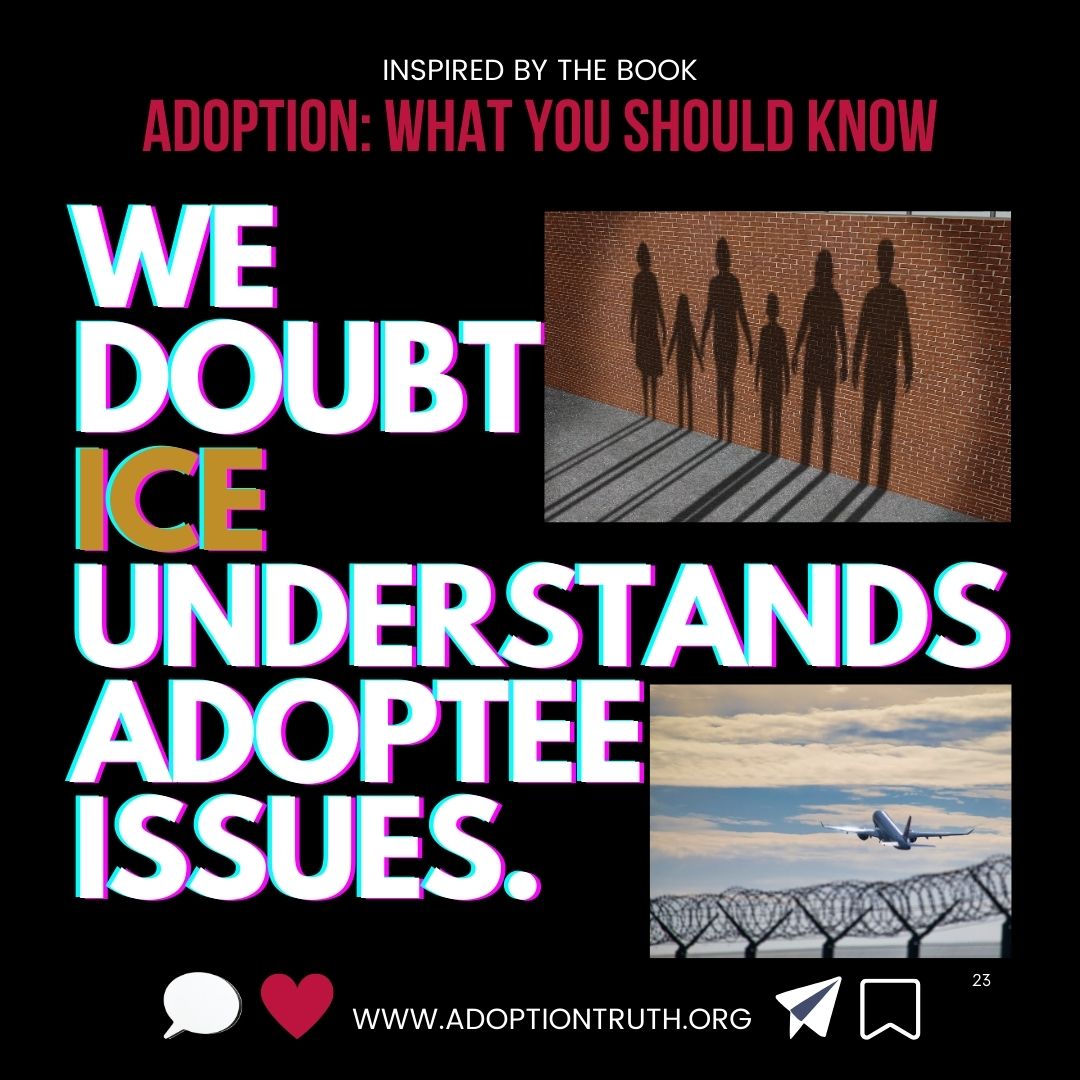
3. Understand Your Rights Regarding ICE
- ICE agents must have a warrant to enter your home, except in limited circumstances.
- You have the right to remain silent and the right to an attorney.
- You do not have to sign any documents or consent to searches without a lawyer present.
- Carry a know-your-rights card or have access to legal information that explains these rights clearly.

Protect Yourself From Ice (Wallet Size), Compliments from ILRC
4. Build a Support Network
- Connect with organizations that specialize in immigrant rights and adoption advocacy. Examples include:
- Immigrant Legal Resource Center (ILRC)
- National Immigrant Justice Center (NIJC)
- Adoption Rights organizations that may provide tailored support for adoptees
- Inform trusted family members or friends about your situation and legal protections.
5. Prepare an Emergency Plan
- Have a plan for what to do if ICE comes to your home or workplace, including:
- Contact information for your attorney.
- A person who can care for you or your dependents if detained.
- A safe place to go if you need to leave in a hurry.
- Consider a power of attorney or legal arrangement for someone you trust to manage your affairs if detained.
6. Advocate for Policy Awareness and Reform
- Stay informed about changes in immigration policies that may affect adoptees.
- Support or join advocacy groups working to protect adoptees and immigrant communities from unjust enforcement.
- Share your story if comfortable, to raise awareness and foster compassionate policies.
The best protection combines legal clarity, preparedness, knowledge, and community support. While the threat of ICE can feel daunting, understanding your legal standing and having trusted allies can create a strong safety net. If you or someone you know is at risk, consulting an immigration attorney experienced with adoption cases is the most impactful step.
Resources:
Immigrant Legal Resource Center
Know Your Rights (Washington State)
Adoptees for Justice
Adoptee Rights Campaign
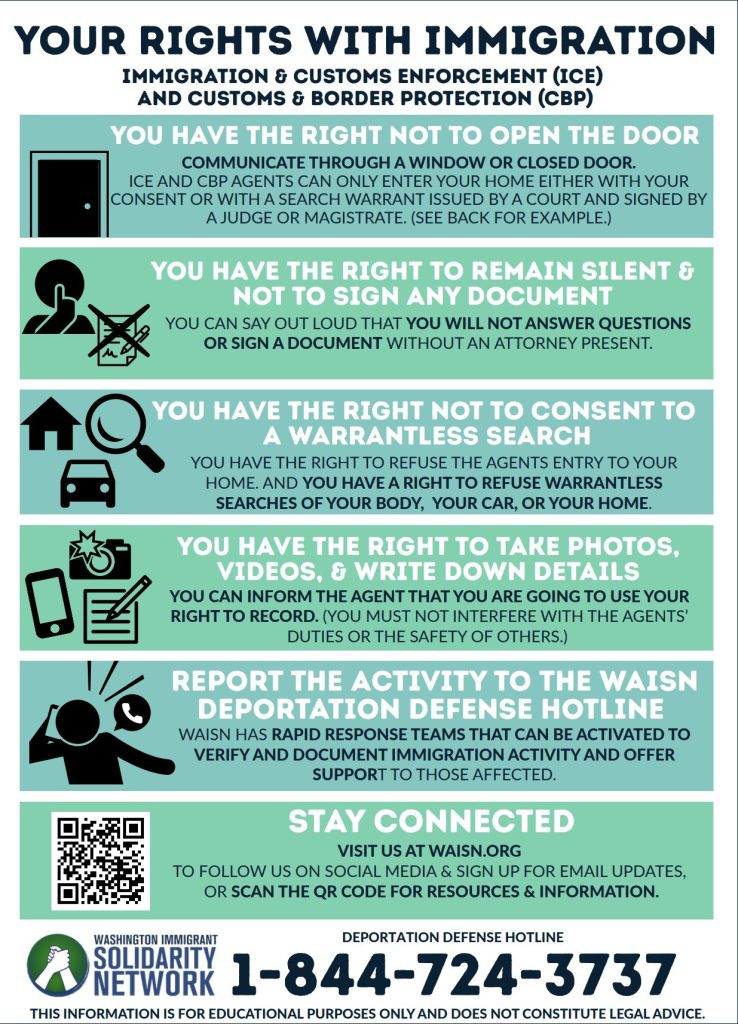
Your Rights With Immigration: WA Immigrant Solidarity Network
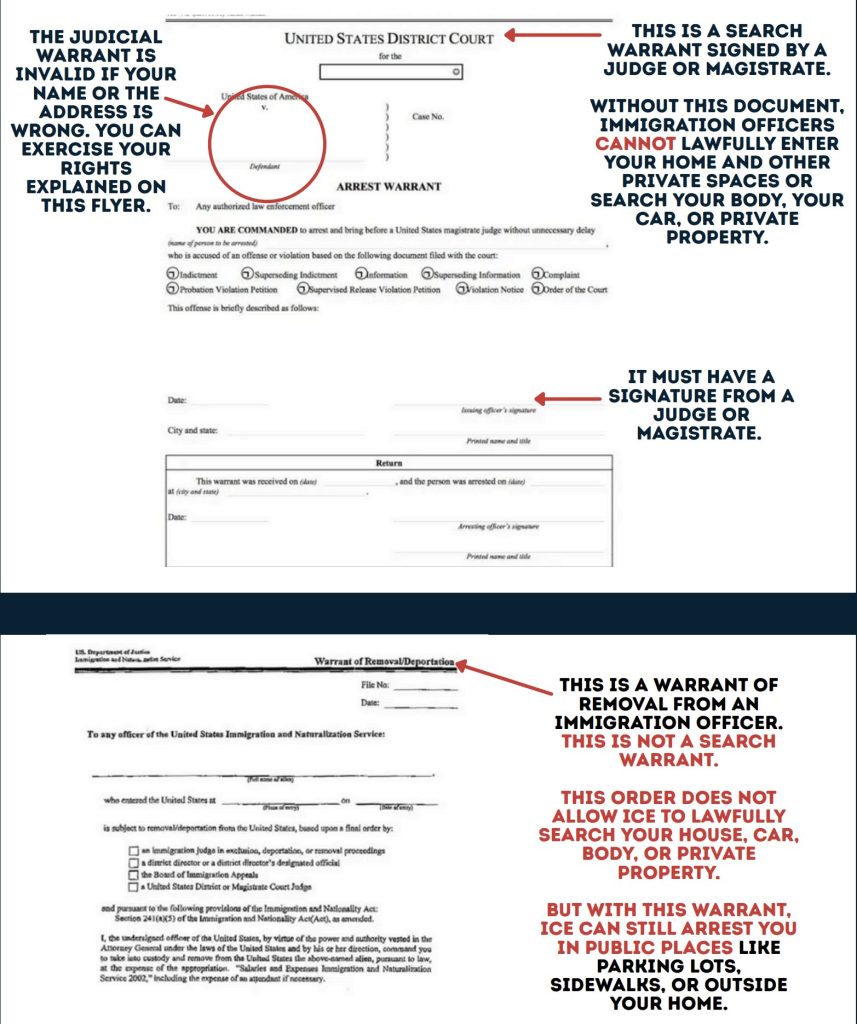
Judicial Warrant Document: Know Your Rights
Additional Considerations for Inter-Country Adoptees
Some adoptees may face unique challenges if their adoption paperwork was incomplete or if citizenship was never formally granted. In such cases, legal advocacy is crucial.
The 1-844-724-3737 phone number, known as the WAISN Deportation Defense Hotline, is specifically designed to serve immigrants and refugees across Washington state. It is recognized as the only statewide hotline in Washington exclusively dedicated to supporting undocumented immigrants and addressing immigration enforcement concerns [2]. The hotline assists with reporting immigration raids or detentions and connects callers with legal and social resources within the state [7]. While immediate support is focused on Washington residents, similar networks may exist in other states for local assistance.
While there is no single, centralized National Deportation Defense Hotline, several national and regional hotlines provide critical support during immigration enforcement actions. United We Dream operates a national rapid response hotline at 1-844-363-1423, which allows individuals to report immigration raids or detentions across the U.S. publicdefenders.us. Additionally, the National Network for Immigrant and Refugee Rights (NNIRR) compiles a comprehensive list of national, state, and local deportation defense hotlines to help connect individuals with nearby legal and emergency resources immigrantsrising.org . For those already in ICE detention, Freedom for Immigrants runs a National Immigration Detention Hotline accessible by dialing 9233# from within the facility www.freedomforimmigrants.org . These networks work together to offer nationwide coverage, though services may vary by region.
Read Adoptionland: From Orphans to Activists